

What Is Eyebrow Shaping and Threading?
A few tiny hairs can change your whole expression. That is why so many clients ask, what is eyebrow shaping and threading, and which one will actually give them the clean, flattering look they want without feeling overdone.
The short answer is that eyebrow shaping is the art of designing your brows to suit your face, while threading is one of the most precise methods used to remove unwanted hair. They are closely connected, but they are not the same thing. Shaping is the goal. Threading is the technique.
When done well, both services feel simple from the client side. You sit down, have a quick conversation about the look you want, and leave looking more polished and balanced. But behind that result is a lot of skill. A good brow service is not about taking off as much hair as possible. It is about knowing what to remove, what to keep, and how to create definition that still looks natural on your face.
What is eyebrow shaping and threading in simple terms?
Eyebrow shaping means customizing the outline, arch, thickness, and overall structure of your brows so they complement your features. A brow specialist looks at more than stray hairs. They consider your eye shape, forehead space, natural brow growth, bone structure, and the style you prefer.
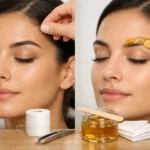
Threading is a hair removal method that uses a thin cotton thread twisted and rolled across the skin to lift hair from the follicle. It is especially popular for brows because it gives very clean lines and allows for excellent control. Instead of removing hair in larger sections, threading can target even very fine hairs one row at a time.
That distinction matters. You can shape brows with several methods, including waxing or tweezing. Threading is simply one of the best tools for precise shaping, especially if you want detail and a crisp finish.
Why brow shaping matters more than people think
Brows frame the face in a way that is easy to overlook until they are shaped well. The right brow can make the eyes appear more open, soften strong features, bring balance to the face, and reduce the need for daily makeup. Even a subtle cleanup can make someone look more refreshed.
This is where professional judgment makes a difference. DIY brow cleanup often turns into chasing symmetry hair by hair, which usually leads to overplucking. In the salon, the goal is not perfect sameness. Natural brows are sisters, not twins. Good shaping respects that and works with your natural pattern instead of fighting it.
For some clients, shaping means keeping the brows full and just cleaning the edges. For others, it means creating more visible structure where the brow has grown unevenly. It depends on the person. A strong brow on one face can look too heavy on another. A sharp arch can be flattering for some and too severe for others.
How eyebrow threading works
Threading may look fast when performed by an experienced brow artist, but the technique is very controlled. The thread is twisted in a way that catches unwanted hairs and removes them from the root. Because the thread can isolate small areas, it is ideal for creating a defined top line, cleaning underneath the arch, and removing the finer hairs that can blur the brow shape.
One reason many clients prefer threading is that it does not rely on heat or chemicals. For people with sensitive skin, that can be a big advantage. There is still a chance of mild redness right after the service, but it usually fades fairly quickly.
The feeling is different from waxing. Threading can sting, especially if it is your first time, but the discomfort is brief and very localized. Most regular clients find it manageable, and many prefer it because of the precision and the clean finish.
Who is a good candidate for threading?
Threading works well for a wide range of clients, including those with sensitive skin, those using skincare products that make waxing less ideal, and those who want detail without removing too much hair. It is also a strong option for anyone trying to grow their brows back in after years of overplucking, because the service can be selective.
That said, preferences still matter. Some people love threading for the sharp result. Others prefer waxing because it feels faster to them. The right choice depends on your skin, your brow goals, and how your hair grows.
If your skin is very reactive, it helps to mention that before the appointment. If you are using retinol, acne treatments, or exfoliating products around the brow area, that is also useful information. A professional can guide you toward the service that makes the most sense for your skin and comfort level.
What happens during a brow shaping appointment?
A good appointment starts with a conversation, not just immediate hair removal. Your brow artist should ask how you usually wear your brows, whether you fill them in with makeup, and whether you want a bold shape or a softer, more natural look.
Next comes assessment. The natural starting point of the brow, the highest part of the arch, and the tail length all need to work together. This is not about forcing every brow into the same trend. It is about creating proportion.
Then the shaping begins. If threading is the chosen method, the artist will remove hair around the brow in a controlled way, checking balance as they go. In some cases, trimming may be added for longer hairs that disrupt the outline. The final result should look neat and intentional, but not harsh.
The best brow appointments are collaborative. If you are nervous about going too thin, say so. If you like your brows fuller, that should guide the shaping. A client-centered service always leaves room for your comfort and preferences.
What kind of results should you expect?
Right away, brows usually look cleaner, more lifted, and more defined. The change can be subtle or more noticeable depending on how much regrowth you had and how much structure your natural brows already have.
Threading removes hair from the root, so results often last a few weeks, though timing varies from person to person. Fast growers may want maintenance sooner. Others can go longer and still keep their shape.
You may notice slight redness after threading, especially if your skin is sensitive, but this usually settles down quickly. Most clients return to normal activities right away. If you have an event the same day, it is smart to leave a little buffer time just in case your skin needs an hour or two to calm.
Brow shaping is not one-size-fits-all
This is where many people have had disappointing experiences. They ask for a cleanup and end up with brows that feel too thin, too short, or too sharply arched for their face. The problem is usually not the concept of shaping itself. It is the lack of customization.
A tailored brow service should account for age, style, hair density, and maintenance habits. Someone who wants low-maintenance brows before work or class may need a different shape than someone who loves a polished makeup look every day. A client with naturally sparse brows needs a different approach than someone with dense growth and a strong natural arch.
This personalized approach is one reason many clients in busy Boston neighborhoods look for a salon they can trust and return to. Brow services may be quick, but the relationship matters. When your brow artist learns your preferences, your appointments become easier and your results more consistent.
How to prepare and care for your brows after threading
Come in with your brow area clean and free of heavy makeup if possible. Avoid exfoliating the area right before your appointment, and mention any skin treatments you are using. That helps reduce irritation and allows for better service planning.
After threading, keep the area calm. Avoid touching the skin too much, skip harsh active products for the rest of the day, and be gentle if you apply makeup. If your skin tends to get pink, a cool compress can help.
If you want to maintain your shape, try not to tweeze between appointments unless it is absolutely necessary. A few random hairs can be tempting, but repeated at-home cleanup often changes the shape over time. It is usually better to let the brow grow in naturally between visits so the next shaping appointment has a clear guide.
Choosing a salon for eyebrow shaping and threading
A polished brow result comes from technical skill, but also from listening. You want a salon that treats the service as facial customization, not just hair removal. Cleanliness, consistency, and communication all matter.
If you are trying a new place, pay attention to whether they ask questions before they begin. That small detail says a lot. The best brow artists do not rush to follow a template. They study your face, hear your concerns, and shape with intention.
At a neighborhood salon like Zena Salon, that personalized care is part of what makes a simple brow appointment feel worth it. Clients are not just looking for tidy brows. They want to feel seen, comfortable, and confident when they leave.
Brows do not need to be dramatic to make a difference. Sometimes the best result is simply looking a little brighter, a little more balanced, and a little more like yourself on a really good day.
 Previous Post
 Next Post