

Do They Trim Eyebrows When Threading?
If you have ever booked a threading appointment and wondered, do they trim eyebrows when threading, you are asking exactly the right question. A lot of clients assume threading and trimming always happen together, but that is not how every brow service works. The short answer is sometimes – and the best answer depends on your natural brow hair, your preferred shape, and how polished or full you want your brows to look.
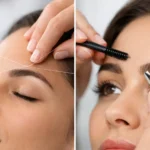
Do they trim eyebrows when threading, or just remove hair?
Threading is mainly a hair removal technique. The thread is used to pull unwanted hairs from the root with precision, which is why it is such a popular choice for creating a clean, defined brow shape. Trimming is different. It shortens longer brow hairs with small scissors so the brows sit neatly and do not look uneven or overgrown.
That means threading itself does not automatically include trimming. Some brow artists thread only. Others thread first and then trim any hairs that are noticeably long. A skilled stylist looks at the whole brow before deciding what is needed instead of following the same routine on every client.
This matters because eyebrows are not one-size-fits-all. Some people have thick brows with a few extra-long hairs that benefit from a light trim. Others have sparse brows and really should not have any length removed at all. In those cases, trimming can take away softness and make the brows look thinner than intended.
When trimming is usually part of a threading appointment
Trimming is most helpful when the brow shape is already there, but the hair length is making it look messy. You might notice this if your brow hairs stick upward, cross over each other, or create bulk at the front of the brow. Even after unwanted hairs are removed, the brow may still need a little refinement.
A gentle trim can make a big difference for clients who want a cleaner finish. It helps the arch look more intentional, keeps the tail from appearing scruffy, and can make brow gel easier to apply. For people with naturally full brows, trimming can be the detail that takes the result from good to polished.
It is also common before special events. If you want your brows to photograph well or pair neatly with makeup, a stylist may recommend a minimal trim after threading. The key word is minimal. Good brow work should still look natural up close.
When your brows should probably not be trimmed
There are times when less is absolutely more. If you have fine brows, patchy areas, or are trying to grow them back, trimming may not be the right move. Even if some hairs seem a little long, that extra length may actually help fill in gaps and create a fuller look.
This is especially true at the front of the brow. People sometimes ask for a very tidy front section, but over-trimming there can create a choppy or blocky appearance. Instead of soft, feathery brows, you end up with a shape that looks too sharp for your features.
The same caution applies if you like a fuller, brushed-up brow style. Threading can clean around the shape while leaving the internal fullness alone. In that case, removing stray hairs from underneath and around the edges is enough, and scissors may not be needed.
The best threading appointments are customized
The biggest difference between an average brow appointment and a great one is judgment. A trained brow specialist does not just ask what shape you want. They also look at your face shape, natural brow pattern, hair density, and how much maintenance you realistically want between visits.
That is why the answer to do they trim eyebrows when threading is not a flat yes or no. On one client, trimming creates balance. On another, it removes too much. Great brow shaping is about knowing the difference.
This personalized approach is also why communication matters. If you are nervous about losing too much fullness, say so before the service begins. If you love a crisp, ultra-neat brow, mention that too. The more your stylist knows, the easier it is to shape your brows in a way that feels like you.
What to ask before your brow service
You do not need to know technical beauty language to get the result you want. A simple conversation is usually enough. Before the threading starts, ask whether trimming is included and whether your brows actually need it.
You can also be specific about your goal. If you want your brows to stay thick, say, “Please keep them full.” If you like them extra clean, say, “I do not mind a little trimming if it helps the shape.” Those few words can completely change the outcome.
If you are trying a new salon, this is a smart question to ask because service menus vary. Some places include trimming automatically with shaping. Others treat it as an extra step only when necessary. Neither approach is wrong, as long as it is done thoughtfully.
How a brow specialist decides whether to trim
During a professional appointment, the decision usually comes down to three things: length, symmetry, and finish. If the hair length is disrupting the shape, a trim may help. If one brow has longer areas that make it look uneven compared with the other, a tiny adjustment can improve symmetry. If the overall shape is good but the final result still looks fuzzy, trimming may provide that cleaner edge.
What should not happen is aggressive cutting across the entire brow. That can make the brows look hollow, spiky, or too short once the hairs settle back into place. Brows are meant to have texture. A polished brow still needs movement and softness.
An experienced stylist will usually brush the hairs upward first, identify only the strands that extend well beyond the shape, and trim conservatively. That is a very different result from cutting too much just to make everything look uniform.
Threading vs. trimming: why they are not the same service
It helps to think of threading as shaping and trimming as detailing. Threading removes hair from where you do not want it. Trimming shortens hair you are keeping. One changes the outline. The other changes the way the brow sits within that outline.
That distinction matters because a brow can be perfectly shaped and still look natural and full. Or it can be overworked because both services were done too heavily. The goal is balance, not maximum removal.
For many clients, the most flattering brow is one that looks clean without looking overly done. That is where an expert touch really shows. You want someone who knows when to stop.
Aftercare if your brows were threaded and trimmed
If your appointment includes threading and trimming, aftercare is still simple. Keep the area clean, avoid rubbing the skin right away, and hold off on heavy makeup around the brows if your skin tends to be sensitive. A little redness after threading is normal and usually fades quickly.
For styling, a light brow gel or a soft brush can help keep trimmed hairs in place. If the trim was done well, your brows should be easier to manage, not harder. They should look neat without needing a lot of product.
If your brows feel shorter than expected, do not panic. Brow hair grows steadily, and a too-short trim usually softens as it grows out. Still, this is why many clients prefer a conservative approach the first time.
So, do they trim eyebrows when threading?
Sometimes yes, sometimes no, and that is actually a good thing. The best brow appointments are not built around a standard routine. They are built around your brow texture, your comfort level, and the result you want to see in the mirror.
At a client-focused salon, the goal is never to do more for the sake of doing more. It is to shape your brows in a way that flatters your features and feels easy to maintain. If you are booking brow shaping at Zena Salon, asking about trimming before the service is a simple way to make sure your appointment matches your style.
A good brow service should leave you looking like yourself – just a little more polished, a little more balanced, and a lot more confident.
 Previous Post
 Next Post